
Jaw tension has a way of following you through the day. You might catch yourself clenching while answering emails, wake up with tired jaw muscles, or notice that the lower face looks wider because the muscles along the jaw have become prominent. These concerns can be related to the masseters, the powerful muscles responsible for helping you chew and close your jaw.
Botox® can be strategically injected into these muscles to temporarily reduce their activity. Often called Masseter Botox® or jaw Botox®, the treatment may help ease muscle-related tension while gradually creating a slimmer-looking lower face in appropriate patients.
Keep reading to understand how the treatment works, why its functional and cosmetic effects happen differently, and what you should know before considering injections.
How Masseter Botox® Changes the Jaw
The same treatment can have two very different goals: reducing excessive muscular activity and refining the appearance of a prominent lower face. Understanding the masseter muscle itself makes it easier to see how these effects are connected.
1. It Targets a Powerful Chewing Muscle
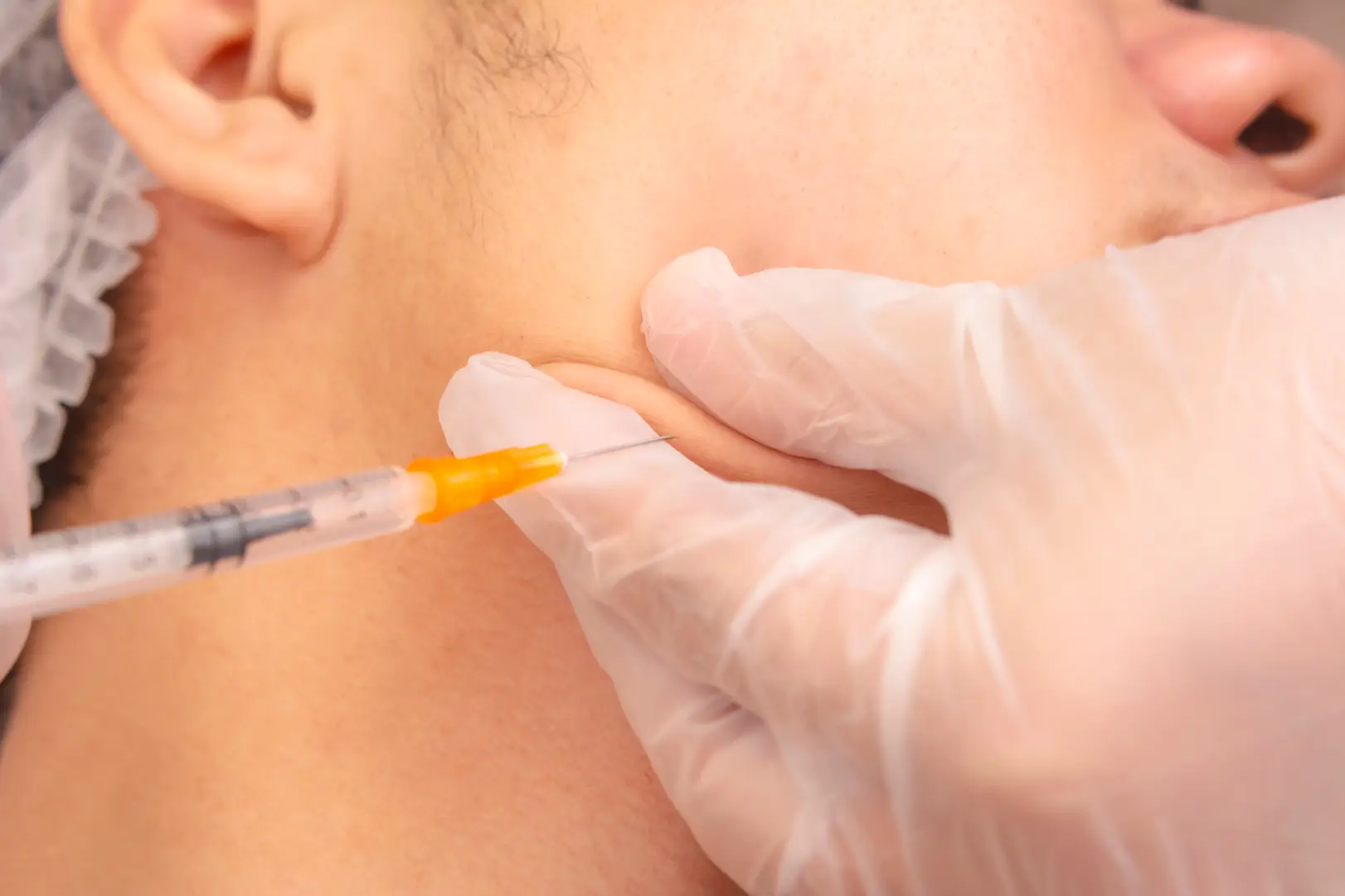
If you’ve searched what is Masseter Botox®, start with the anatomy. The masseter is a strong muscle located along each side of the jaw, extending from the cheekbone toward the lower jaw.
You can often feel yours by placing your fingers near the back of your jaw and clenching your teeth. The firm area that becomes more noticeable is largely the masseter contracting. This muscle has an important job. It helps close the jaw and produces some of the force needed for chewing. However, frequent clenching or grinding can keep the area working harder than necessary.
Some patients also naturally have larger or more prominent masseters. Others may develop increased muscle bulk after years of repetitive clenching. When these muscles contribute to a broad or square-looking lower face, relaxing them can have an aesthetic effect as well. That dual role is what makes Masseter Botox® different from injections used only for facial expression lines.
2. Botox® Temporarily Reduces Muscle Activity
Botox® is a neuromodulator made from botulinum toxin type A. When injected into a targeted muscle, it temporarily reduces the nerve signals responsible for making that muscle contract.
For expression lines, this mechanism can soften repeated movement that contributes to wrinkles. With masseter muscles Botox®, the same basic principle is applied to a different anatomical area and for different goals.
The masseter is not completely switched off. Treatment is intended to reduce excessive activity while preserving the function needed for everyday jaw movement. That balance matters because the masseters are functional muscles. They are not simply cosmetic structures that can be relaxed without thought.
Careful placement and dosing are therefore important. A provider needs to understand facial anatomy, jaw function, muscle strength, and symmetry before deciding how and where to inject. The treatment should be individualized rather than based on a standard number of injection points or units for every patient.
3. Less Clenching Can Mean Less Muscle Tension
Think about how your hand feels after holding a tight fist for too long. A muscle that repeatedly contracts can become tired and uncomfortable. A similar principle can apply to the jaw when clenching becomes frequent.
Reducing excessive masseter activity may help some patients experience less muscular tension. The jaw may feel less overworked because the treated muscles cannot contract with quite the same intensity. This is why jaw Botox® is sometimes considered by patients who clench their teeth or experience muscle-related jaw discomfort.
However, jaw pain has many possible causes. Problems involving the temporomandibular joints, dental conditions, bite issues, arthritis, injury, headaches, and other conditions can produce symptoms that overlap with muscular tension.
Botox® should not become a shortcut around proper evaluation. If pain is persistent, severe, or accompanied by problems such as locking or significant changes in jaw movement, identifying the cause is an important first step. For appropriate patients, treatment may address the muscular component without pretending that every form of jaw discomfort has the same origin.
4. Teeth Grinding Is More Complicated Than It Sounds
Bruxism is the medical term for grinding or clenching the teeth. It can happen while awake or during sleep, and some patients do not realize they are doing it until a dentist notices tooth wear or they begin experiencing symptoms.
Botox® for teeth grinding may be used off-label to reduce the strength of masseter contractions in selected patients. By decreasing muscular force, treatment may help reduce some of the tension associated with clenching. There is an important distinction, though. Botox® does not physically protect tooth surfaces.
If you grind at night, a dental professional may recommend an oral appliance to help protect the teeth from mechanical wear. Botox® and a night guard perform different jobs, so one should not automatically be viewed as a replacement for the other.
Bruxism can also have several contributing factors. Stress, sleep-related conditions, medications, and other issues may play a role. Reducing muscle force does not necessarily remove the underlying reason someone grinds. The most thoughtful approach looks beyond the masseter itself and considers the bigger picture.
5. Repeated Relaxation Can Slim a Prominent Masseter
The cosmetic effect of Masseter Botox® comes from a different process than wrinkle treatment. When a prominent masseter repeatedly contracts with less force, the muscle can gradually decrease in bulk.
Think about what happens when a heavily trained muscle is used less intensely. Over time, its volume can decrease. A similar principle helps explain why Masseter Botox® can create a narrower appearance through the lower face. This change does not happen immediately after the injections.
The neuromodulator begins affecting muscle activity first. Facial slimming develops more gradually as the treated muscles become less prominent over the following weeks. For patients whose broad lower face is substantially influenced by masseter size, the change can soften a square-looking jaw and create a more tapered contour.
The key phrase is “influenced by muscle size.” If the width of your lower face comes primarily from bone structure or another anatomical feature, relaxing the masseter will not produce the same degree of narrowing.
A proper assessment helps determine whether the muscle is actually responsible for the feature you want to change.
6. Slimming Does Not Mean Changing Your Bone Structure
It is easy to see a dramatic before-and-after photograph and assume that Masseter Botox® somehow reshapes the jawbone. It does not. The underlying bone remains the same. The aesthetic change comes from reducing the prominence of the muscle sitting over that structure.
This explains why some patients see more noticeable slimming than others. Someone with enlarged masseters may experience a meaningful change in lower-face width. A patient whose jaw shape is mostly determined by skeletal anatomy may see considerably less difference.
Skin laxity can influence the aesthetic outcome too. If the lower face already has significant looseness, reducing muscle volume may not create the crisp contour a patient imagines.
This is where individualized facial assessment becomes important. A treatment that looks beautiful on one person can be inappropriate for another because the same facial shape may have completely different anatomical causes.
Masseter Botox® works best when the treatment matches the problem rather than when the treatment is used to chase a particular face shape.
7. Tension Relief May Arrive Before Facial Slimming
Patients often expect every benefit to appear at the same time, but functional and cosmetic changes can follow different timelines. Botox® generally takes time to affect muscle activity after injection. As the masseter begins contracting less forcefully, some patients may notice changes in tension before they see a meaningful difference in facial shape.
Slimming requires additional patience because the muscle needs time to decrease in prominence. That process can unfold over several weeks rather than overnight. This distinction helps prevent unnecessary worry during the early days after treatment. Looking at your jaw the next morning and seeing the same facial width does not mean the injections failed.
It is also why daily photographs are rarely useful. Small changes can be difficult to recognize when you inspect your face constantly. Follow-up photographs taken under similar lighting and positioning can provide a better comparison. Your provider can also evaluate how strongly the masseters are contracting and whether the response is balanced between the two sides.
8. Facial Symmetry Matters
Most faces are not perfectly symmetrical. One side of the jaw may be stronger, more prominent, or used differently than the other, particularly when a patient tends to chew predominantly on one side. A thoughtful Masseter Botox® treatment accounts for these differences.
That does not necessarily mean both sides should receive identical treatment. The provider may assess muscle strength and bulk individually before determining an appropriate plan. The goal is balance, not mathematical sameness. This assessment becomes especially important because reducing masseter activity can influence both appearance and chewing function. Over-treating a muscle simply to chase greater facial slimming can create an unnatural result or unwanted functional changes.
Patients should also understand that not every existing facial asymmetry comes from the masseter. Bone structure, soft tissue, dental alignment, and other anatomical differences may contribute. Botox® can modify what the targeted muscle is contributing. It cannot make every structural difference disappear.
A Softer Approach to a Strong Jaw
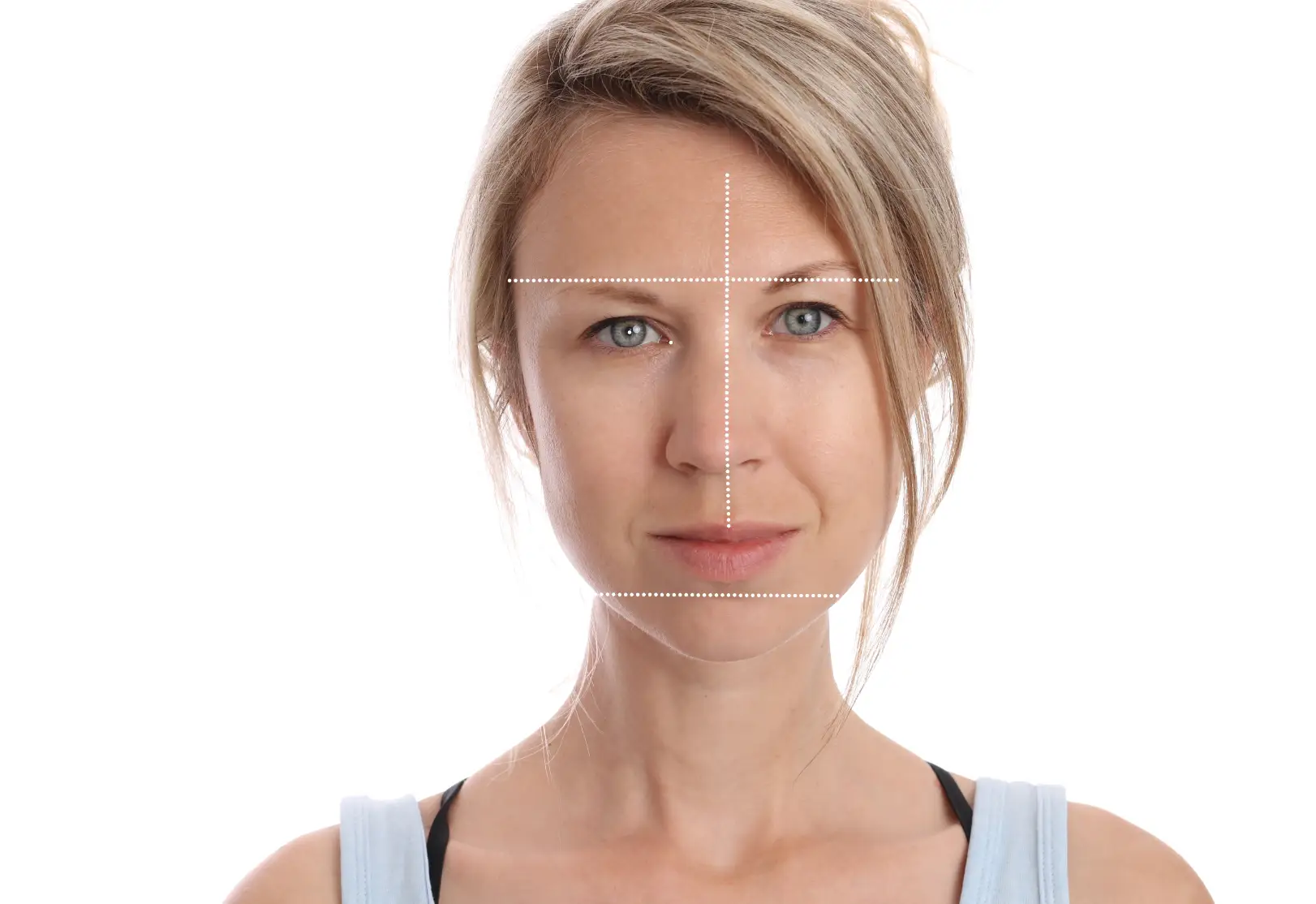
A strong jaw muscle can influence much more than facial shape. When the masseters become prominent or work overtime, they may contribute to a wider-looking lower face and uncomfortable muscular tension. Botox® offers a targeted way to temporarily relax these muscles, with facial slimming developing gradually when muscle bulk is part of the concern.
At Square One Aesthetics & Wellness in Tallahassee, FL, patients can explore Masseter Botox® through a personalized approach that considers facial anatomy, muscle activity, and individual goals. Whether the priority is a softer lower-face contour or relief from excessive jaw tension, thoughtful assessment is the place to begin.
Call us today to schedule your appointment!