
Facial expressions are part of how we communicate, reflect emotion, and connect with others. Over time, however, repeated movement of facial muscles may contribute to the development of fine lines and visible creases that gradually become more noticeable.
Many patients explore Botox® as a way to soften expression-related lines while maintaining natural facial movement. Rather than dramatically changing appearance, Botox® works subtly to support smoother-looking skin that still feels authentically expressive.
Patients often begin Botox® treatments to address concerns such as forehead lines, frown lines, and crow’s feet that appear during everyday expressions. With consistent treatment planning, Botox® may support smoother skin texture and help reduce the appearance of dynamic lines before they deepen. Some individuals eventually wonder what may happen if they decide to pause or discontinue treatments.
Understanding how skin behaves after stopping Botox® allows patients to make confident decisions about long-term wrinkle prevention treatments. Continue reading to learn how Botox® works and what changes may occur if treatments are discontinued.
What Is Botox®?
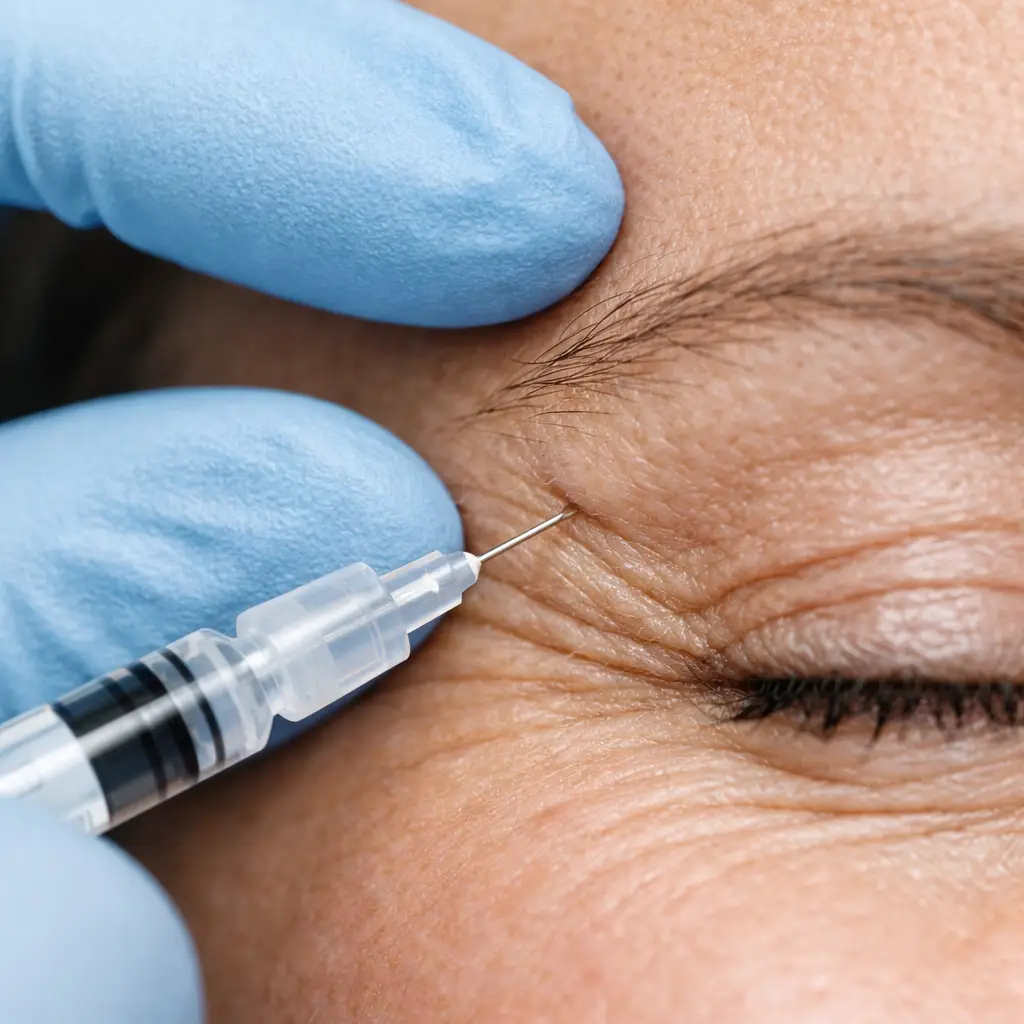
Botox® is a purified form of botulinum toxin type A that temporarily relaxes targeted facial muscles responsible for creating expression lines. By reducing muscle activity in specific areas, Botox® allows the skin above those muscles to appear smoother and more refreshed. This approach helps soften dynamic wrinkles that form through repeated facial movement such as smiling, squinting, or frowning.
Botox® is considered a minimally invasive treatment that may be performed in a short appointment with little interruption to daily activities. Many patients appreciate the flexibility of treatments that may be adjusted gradually over time based on aesthetic preferences.
Common treatment areas include:
- Forehead lines that appear when raising eyebrows
- Frown lines between the brows
- Crow’s feet around the eyes
- Bunny lines on the nose
- Chin dimpling related to muscle tension
- Neck bands influenced by repetitive muscle movement
Botox® works gradually as muscle activity decreases over several days following treatment. Results often become more noticeable within one to two weeks and typically last several months, depending on individual metabolism and muscle strength.
What Happens If You Stop Getting Botox®?
Many patients wonder whether stopping Botox® will cause wrinkles to appear worse or accelerate aging. In reality, discontinuing Botox® simply allows muscle activity to gradually return to its natural state. Skin continues to age normally according to individual genetics, lifestyle habits, and environmental exposure.
Understanding how facial wrinkles may return helps patients feel informed and confident about treatment decisions.
1. Muscle Movement Gradually Returns
Botox® works by temporarily relaxing muscles responsible for creating expression lines. Once the effects of treatment wear off, nerve signals resume communication with facial muscles. This allows normal movement patterns to gradually return.
Patients often notice a subtle increase in facial expressiveness over time. Dynamic lines’ reappearance typically reflects restoration of muscle activity rather than sudden aging changes. Movement patterns usually return gradually rather than abruptly.
Aging without Botox® maintenance often reflects the skin’s natural progression rather than accelerated change. Muscle function resumes according to individual physiology. A gradual transition often allows patients to evaluate future treatment preferences.
2. Facial Wrinkles Returning to Baseline Appearance
When Botox® is discontinued, previously softened lines may gradually become visible again as muscle movement resumes. These wrinkles typically return to the level they would have reached naturally without treatment. Botox® does not cause wrinkles to worsen after discontinuation.
Patients often observe forehead lines returning as muscle activity increases during expression. Fine lines after stopping Botox® may reappear slowly as skin responds to repeated movement. Skin continues aging at a normal pace rather than accelerating.
Wrinkle prevention treatments often contribute to delaying deep crease formation during the period Botox® is used. Once treatments are paused, skin resumes its natural aging timeline. Long-term skin health often reflects overall skincare habits.
3. Skin Texture Remains Unchanged by Discontinuation
Stopping Botox® does not negatively affect overall skin quality. Collagen levels, hydration status, and elasticity remain influenced primarily by skincare habits and lifestyle factors. Skin texture does not deteriorate solely due to discontinuing neuromodulator treatments.
Patients often continue using skincare products that support hydration and barrier strength. Professional skincare routines may continue to support a balanced appearance. Skin resilience often reflects consistent care practices.
Neuromodulator alternatives may also be explored depending on patient preferences. Individualized care planning often considers evolving goals. Long-term skin vitality often reflects a comprehensive approach.
4. Expression Lines May Become More Noticeable Over Time
As muscle movement resumes, expression lines may gradually become more visible again. This reflects natural muscle function rather than the negative effects of prior treatment. Facial wrinkles returning often occur progressively rather than suddenly.
Forehead lines returning often appear similar to pre-treatment patterns. The reappearance of dynamic lines often depends on individual facial anatomy and expression habits. Skin movement patterns remain consistent with natural physiology.
Patients often appreciate having flexibility in deciding whether to resume treatment. Treatment schedules may be adjusted according to aesthetic goals. Personalized planning often supports confident decisions.
5. Preventative Effects May Gradually Diminish
Consistent Botox® treatments often contribute to reducing repetitive muscle contraction patterns that deepen expression lines. When treatments stop, muscles gradually resume their normal activity levels. Preventative benefits may diminish over time as movement patterns return.
Wrinkle prevention treatments often work best when maintained consistently. Discontinuation does not reverse prior benefits immediately. Gradual changes often allow patients to assess future treatment preferences.
Patients may choose to continue Botox® at longer intervals depending on comfort level. Personalized treatment frequency often reflects individual goals. Flexible care planning often supports satisfaction.
6. No Permanent Dependency Develops
Botox® does not create physical dependency or long-term reliance. Patients may choose to discontinue treatment at any time without experiencing adverse effects related to stopping. Facial muscles continue functioning normally once treatment wears off.
Aging without Botox® maintenance reflects natural biological processes rather than treatment-related change. Skin continues to respond to environmental and lifestyle influences. Treatment decisions remain entirely personal.
Neuromodulator alternatives may be considered if patients wish to explore other facial lifting treatments. Personalized consultation often provides insight into available options. Individual preferences often guide treatment selection.
7. Patients Often Maintain Skincare Routines
Even after discontinuing Botox®, many patients continue maintaining skincare routines that support healthy-looking skin. Professional facials, hydration support, and sun protection often contribute to skin clarity. Preventative care often supports long-term skin vitality.
Daily skincare habits often influence how skin ages over time. Sun protection, gentle exfoliation, and hydration may contribute to improved texture. Consistent care often supports a balanced appearance.
Long-term skin health often reflects comprehensive aesthetic strategies rather than single treatments. Preventative skincare habits often complement aesthetic procedures. Holistic care often supports confidence.
8. Flexibility in Future Treatment Decisions
Stopping Botox® does not limit future treatment options. Patients may choose to resume treatment months or years later, depending on aesthetic priorities. Flexible scheduling allows treatment decisions to evolve.
Neuromodulator alternatives may also be explored depending on individual goals. Providers often discuss various facial lifting treatments that align with patient preferences. Personalized consultation often supports informed decisions.
Treatment journeys often evolve based on lifestyle changes and aesthetic priorities. Patients maintain control over their treatment timeline. Adaptable care strategies often reflect an individualized approach.
Long-Term Skin Confidence with Square One Aesthetics & Wellness
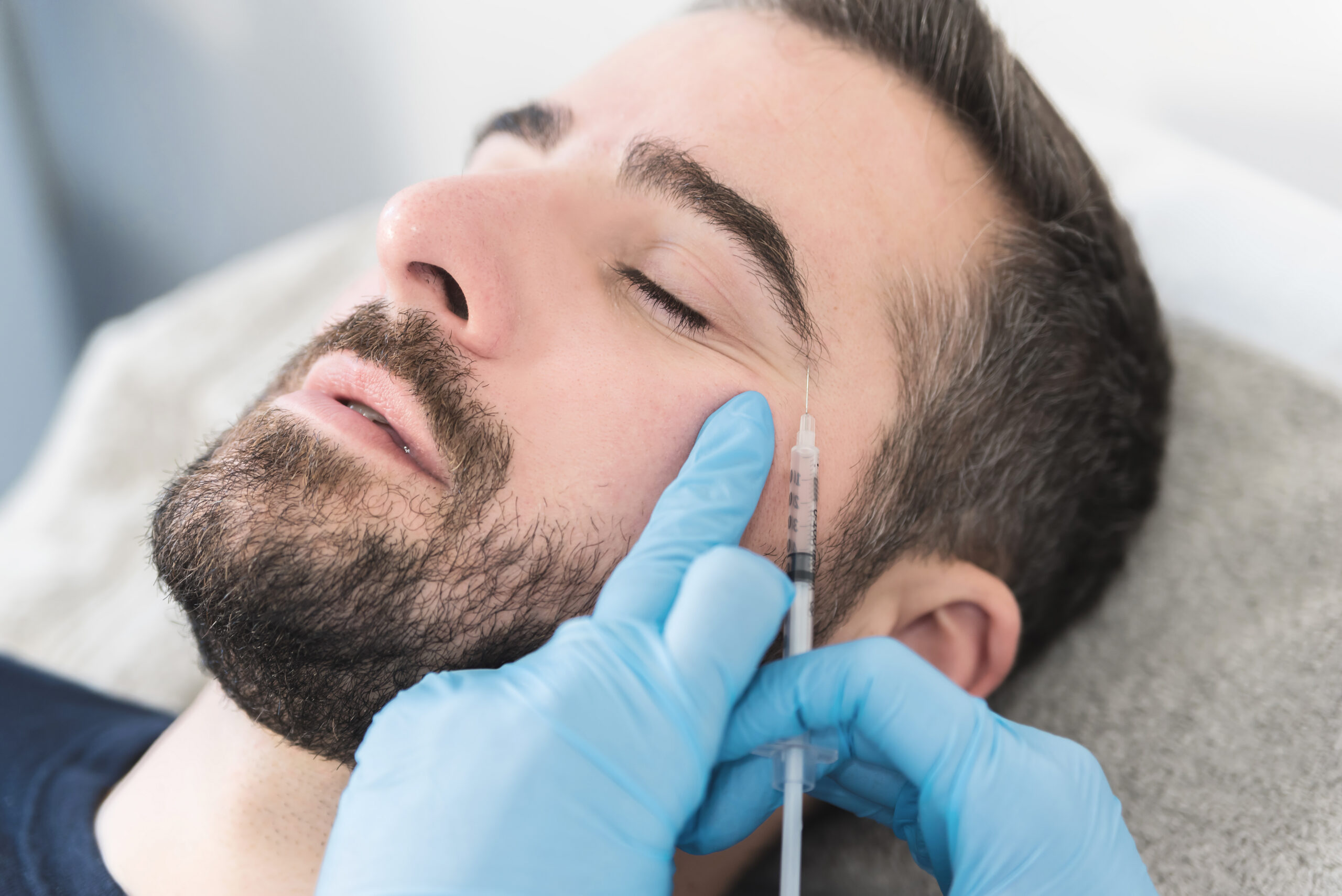
Understanding how Botox® interacts with facial muscles helps patients feel confident when considering both starting and pausing treatment. Botox® continues to be one of the most widely selected wrinkle prevention treatments due to its ability to soften dynamic lines while supporting natural-looking expression. When treatments are discontinued, facial movement gradually returns, allowing skin to follow its natural aging timeline.
Square One Aesthetics & Wellness in San Diego, CA, offers personalized consultation experiences designed to support thoughtful aesthetic decision-making. Individualized treatment planning often helps patients explore options aligned with their comfort level and long-term goals. Professional insight often contributes to balanced, natural-looking results that evolve gracefully over time.
Botox® remains a flexible and customizable treatment option that allows patients to adapt their skincare journey according to changing preferences. Through personalized guidance and holistic care philosophy, we continue to support patients seeking elegant approaches to maintaining healthy, confident skin.
Connect with us today to schedule your appointment!