
Spring carries a sense of renewal. Longer days, warmer air, and more time outdoors feel refreshing—yet for many patients, this season also brings an unwelcome guest: breakouts. Just when skin should feel radiant, congestion and flare-ups can appear across the cheeks, chin, and forehead.
Seasonal transitions place stress on the skin. Oil production shifts, humidity rises, allergens circulate, and skincare routines often change. All of this can disrupt balance and lead to clogged pores. Facials offer a thoughtful way to guide the skin through this transition. Rather than simply treating surface blemishes, a well-designed seasonal facial addresses underlying causes and restores clarity from within.
If spring tends to trigger breakouts for you, there’s more happening beneath the surface than you might realize. Continue reading to explore why this happens and how facials support smoother, calmer skin all season long.
Spring Skin Stressors
Seasonal change doesn’t just affect your wardrobe. It impacts oil production, inflammation, and the way pores behave.
- Rising humidity. As temperatures climb, humidity increases, stimulating sebaceous glands. This can lead to excess oil mixing with dead skin cells, creating the perfect environment for clogged pores.
- Allergy season inflammation. Pollen and environmental allergens trigger inflammation in many patients. That internal response can show up externally as redness, puffiness, and acne flare-ups.
- Increased sweating. Warmer weather means more perspiration. Sweat can trap bacteria on the skin’s surface, especially when combined with makeup or sunscreen.
- Switching skincare products. Many people transition from heavy winter creams to lighter spring formulas. Sudden product changes can disrupt the skin barrier and cause breakouts.
- More outdoor activity
Sun exposure and pollution increase in spring. These environmental stressors can oxidize oil within pores, leading to blackheads and blemishes. - Residual winter buildup
Dry winter months often lead to thicker moisturizers and less exfoliation. That buildup doesn’t disappear overnight and may contribute to congestion as the season shifts. - Hormonal fluctuations
Seasonal light changes can subtly influence hormonal balance. For some patients, this shift correlates with acne around the jawline or chin.
These combined factors explain why breakouts spike just as the weather improves. Fortunately, we offer facials designed specifically to help patients navigate seasonal transitions with clarity and confidence.

What Are Facials?
Facials are advanced skincare treatments designed to cleanse, exfoliate, nourish, and rejuvenate the skin. They go far beyond at-home routines by combining professional-grade products, clinical techniques, and personalized assessment.
A clinical facial treatment targets concerns such as dullness, congestion, fine lines, and uneven texture. The goal is not just relaxation, though that is certainly part of the experience, but true skin health and balance.
Several types of facials can support breakout-prone skin:
- Dermafuse Facial. This medical-grade treatment utilizes an advanced system performed by licensed medical professionals. Patients can choose from specially formulated serums focused on blemish control, intensive hydration, brightening, or collagen support.
- Enzymatic Facial. This treatment harnesses natural exfoliating enzymes to gently accelerate cell renewal. Ideal for dull or congested skin, it leaves the complexion smoother and visibly refreshed.
- Custom Facial. A fully customized facial tailored to individual concerns. Cleansing, exfoliation, and targeted masking are adjusted based on the patient’s skin condition that day.
Each approach can function as a spring skincare facial when adapted to seasonal needs. Whether you require a deep cleansing facial or a hydrating facial to calm irritation, personalization makes the difference.
Clearing Congestion
Spring breakouts often begin with buildup. Facials approach congestion methodically.
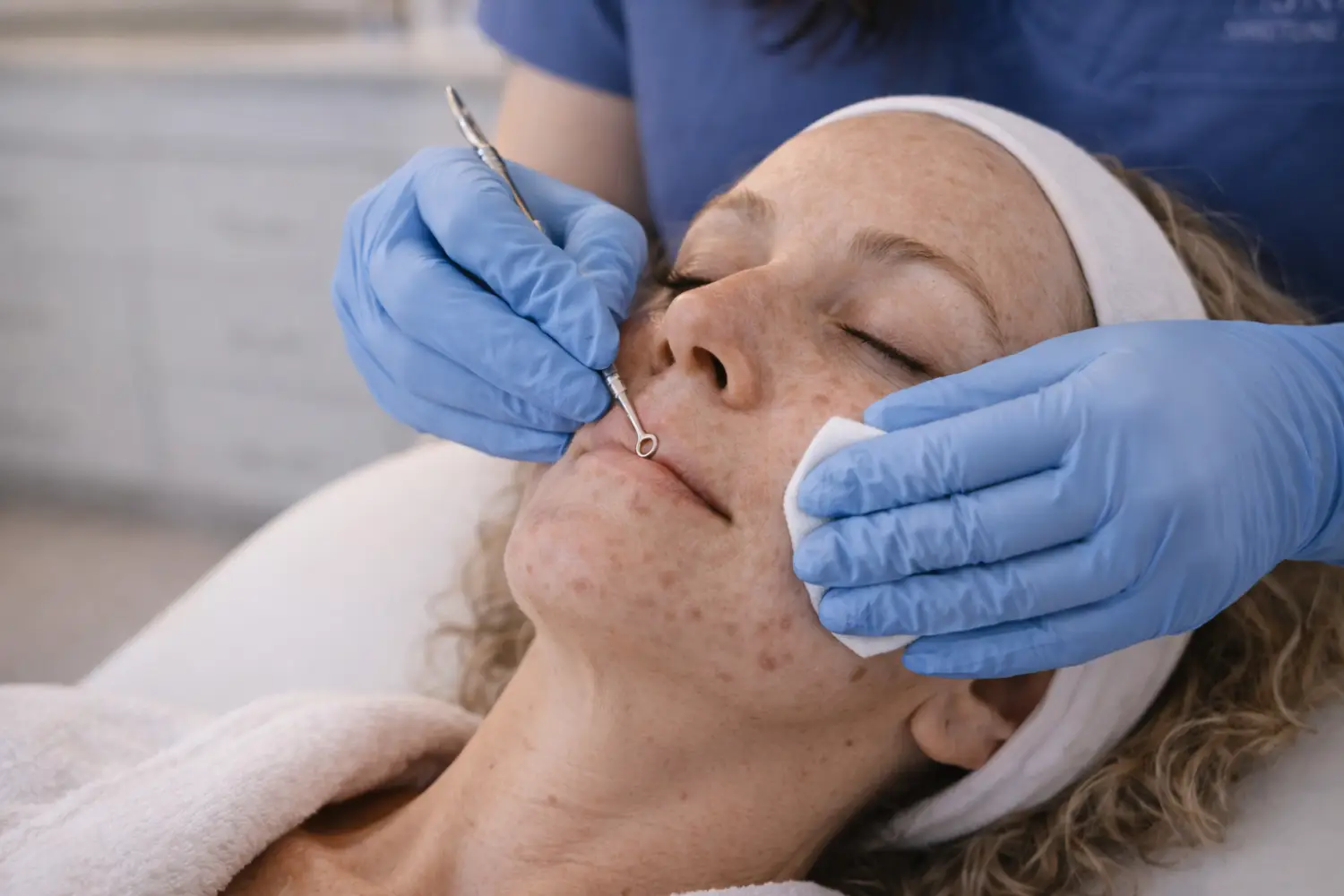
A deep cleansing facial removes impurities that daily washing simply can’t address. Professional exfoliation clears dead skin cells that trap oil inside pores. By manually and gently performing extractions when appropriate, providers reduce blockage without causing unnecessary trauma.
This comprehensive approach interrupts the acne cycle at its root rather than merely shrinking surface blemishes.
Rebalancing Oil Production
Oil itself isn’t the enemy. The issue arises when production becomes excessive or imbalanced.
A spring skincare facial often includes ingredients that regulate sebum while preserving hydration. Clay masks, enzyme exfoliants, and targeted serums help restore equilibrium so the skin doesn’t overcompensate by producing even more oil.
Over time, patients notice fewer midday shine concerns and less congestion overall.
Strengthening the Barrier
Spring weather shifts can weaken the skin barrier. When that protective layer is compromised, bacteria and irritants penetrate more easily.
A hydrating facial supports barrier repair by replenishing lipids and calming inflammation. Instead of stripping the skin, professional treatments balance exfoliation with nourishment.
Healthy skin resists breakouts more effectively because it’s resilient and stable.
Calming Inflammation
Inflammation fuels acne. Seasonal allergies and environmental irritants amplify redness and swelling.
Facials often incorporate soothing ingredients such as antioxidants and calming botanicals. By reducing inflammation, the skin becomes less reactive and blemishes heal more smoothly.
Patients with sensitive, breakout-prone skin benefit especially from this holistic approach.
Supporting Cell Turnover
Winter buildup lingers longer than many expect. Dead skin accumulation blocks pores and dulls the complexion.
Enzymatic treatments gently accelerate natural cell turnover without harsh abrasion. This refined exfoliation improves clarity while minimizing irritation.
The result is smoother texture and reduced likelihood of future clogging.
Addressing Post-Breakout Marks
Spring breakouts often leave behind pigmentation or lingering redness. A customized facial can incorporate brightening serums that target discoloration.
Clinical facial treatment techniques stimulate circulation and encourage even tone. Over a series of sessions, patients see clearer, more uniform skin.
Enhancing Product Absorption
When pores are congested, skincare products can’t penetrate effectively.
By thoroughly cleansing and exfoliating, facials improve the absorption of at-home treatments. This allows patients to perform their daily routines better, amplifying results long after the appointment ends.
Spring becomes less about damage control and more about maintenance.
Providing Seasonal Adjustments
No two seasons demand the same skincare strategy. A seasonal facial adapts in real time.
Spring may call for a balance between oil control and hydration. Providers evaluate texture, sensitivity, and breakout patterns before tailoring each step.
This flexibility sets professional treatments apart from static at-home regimens.
Managing Stress and Hormonal Influence
Stress contributes to breakouts by triggering cortisol release, which increases oil production.
The relaxation component of a customized facial lowers stress levels. Gentle massage techniques stimulate circulation and encourage lymphatic flow.
While this benefit feels subtle, it supports overall skin balance.
Deep Hydration Without Clogging
Many patients hesitate to hydrate breakout-prone skin, fearing clogged pores. Yet dehydration can cause the skin to overproduce oil.
A hydrating facial uses non-comedogenic ingredients to restore moisture without heaviness. This balanced hydration helps regulate oil production and maintain smooth texture.
Spring skin thrives when properly nourished rather than stripped.
Preventative Care
Facials aren’t just reactive—they’re preventative.
Regular appointments interrupt congestion cycles before they escalate. Patients who schedule monthly or seasonal visits often experience fewer severe flare-ups throughout the year.
This proactive approach supports long-term clarity.
The Difference Is Professional Precision
At-home masks and exfoliants have limitations. A clinical facial treatment provides professional assessment, advanced technology, and precise ingredient selection.
Licensed providers adjust pressure, timing, and product combinations based on the patient’s skin response. This level of customization minimizes irritation and maximizes results.
It’s not about doing more. It’s about doing what the skin truly needs.
Building a Spring Routine
Facials work best when integrated into a broader skincare strategy.
Patients may benefit from:
- Gentle daily cleansing
- Consistent SPF use
- Lightweight moisturizers
- Regular professional exfoliation
A spring skincare facial acts as the anchor, resetting the skin so daily products can function effectively.
A Season of Clarity
Spring doesn’t have to mean unpredictable skin. With thoughtful care and professional guidance, breakouts can become less frequent and less severe.
Facials provide a layered approach—deep cleansing facial techniques for congestion, hydrating facial elements for balance, and customized facial adjustments for individual needs. They bridge the gap between seasonal stress and skin stability.
At Square One Aesthetics & Wellness in San Diego, CA, facials are designed to honor the natural rhythm of your skin. Through personalized treatments and refined clinical techniques, patients experience clarity that feels effortless and aligned with the season.
When your complexion needs thoughtful support this spring, a tailored approach can help restore balance and confidence.
So, connect with us today to book your appointment!