
Melasma has a frustrating habit of returning just when you think the discoloration is finally under control. Those brown or gray-brown patches can deepen after time outdoors, making the condition especially challenging in a sunny place like Tallahassee.
Daily sunscreen and topical skincare remain important, but some patients need additional options when stubborn pigment continues to linger. That is where carefully selected lasers may become part of a broader treatment plan. Laser treatment can target unwanted pigment and support improvements in overall tone, but melasma requires a measured approach because excessive heat or irritation can sometimes make pigmentation worse.
Continue reading to learn how laser treatment for melasma works, where Ultra Laser may fit, and why long-term pigment control matters just as much as the procedure itself.
How Lasers Can Address Melasma
Treating melasma is less about attacking every visible patch and more about managing pigment without unnecessarily provoking the skin. The right laser plan considers the type of pigmentation, skin tone, previous treatments, sun exposure, and the patient’s tendency to develop discoloration.
1. Start by Understanding Melasma
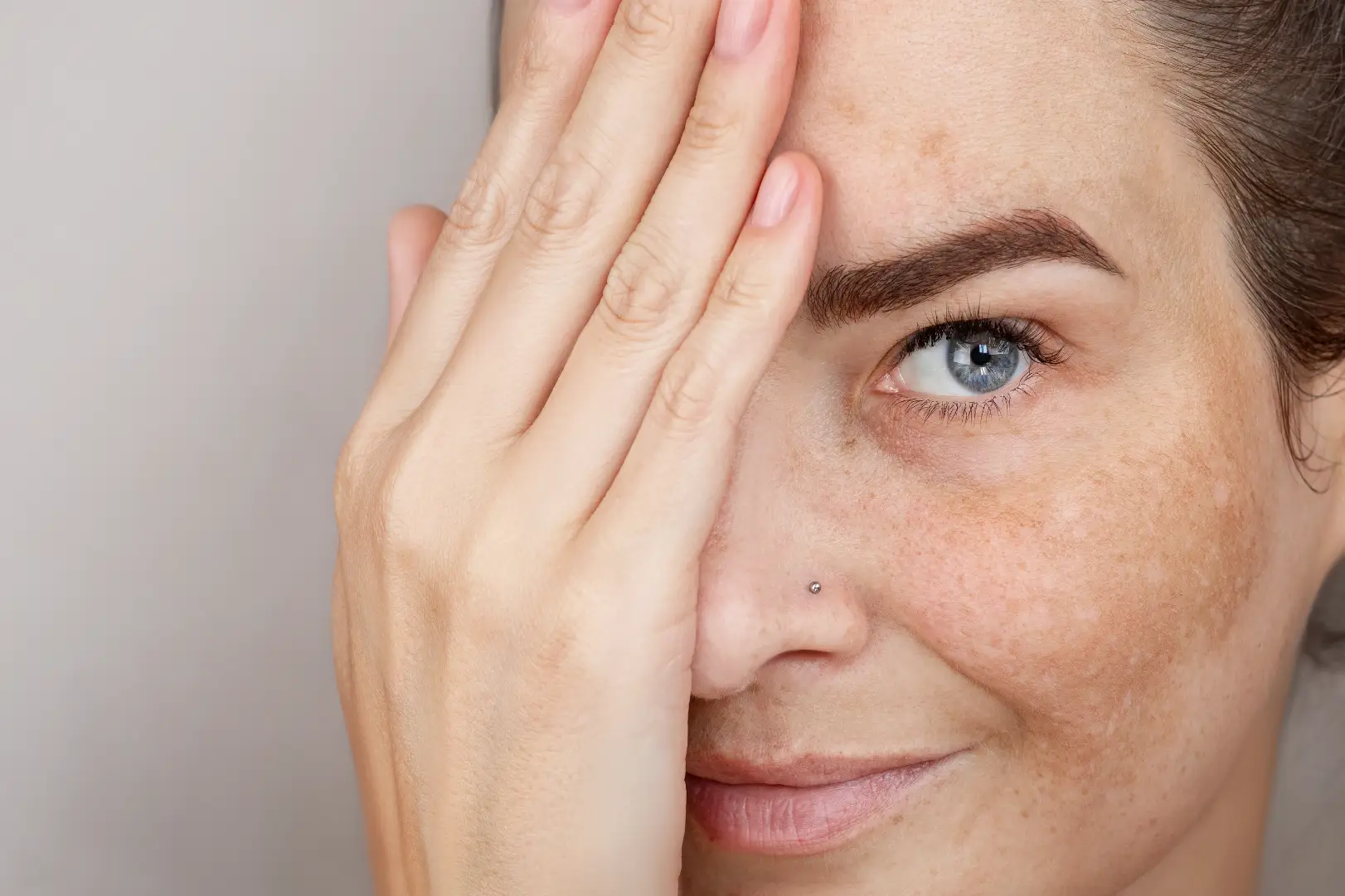
Melasma is a pigmentary condition that typically creates symmetrical brown or gray-brown patches, commonly across the cheeks, forehead, upper lip, nose, and chin. It occurs when pigment-producing cells create excess melanin in affected areas.
Several factors can contribute. Sunlight is one of the most important triggers, but hormones, genetics, visible light, heat, and certain medications or products may also influence the condition.
That complexity explains why searching for how to get rid of melasma rarely produces one answer that works for everybody. What looks like a simple brown patch on the surface can involve pigment at different depths and several ongoing triggers.
Melasma can also resemble other forms of hyperpigmentation. Sun spots and post-inflammatory discoloration, for example, may look similar to an untrained eye but can respond differently to treatment.
A proper skin evaluation should therefore come before choosing a laser. The goal is to understand the pigment first and then decide whether laser treatment belongs in the plan.
2. Tallahassee Sun Exposure Changes the Conversation
Living in Tallahassee means sun protection cannot be treated as something reserved for beach days. Florida’s climate creates plenty of opportunities for ultraviolet exposure during ordinary routines, whether you’re driving, walking outside, exercising, or spending time near a window.
UV exposure can stimulate melanocytes, the cells responsible for producing melanin. For someone prone to melasma, that stimulation can contribute to darkening or recurrence. This matters before and after melasma treatment.
Treating pigment while repeatedly exposing unprotected skin to its trigger can work against the progress you’re trying to make. That is why sun protection becomes part of treatment rather than an optional piece of aftercare.
Humidity presents a more practical challenge. Heavy or greasy products can feel uncomfortable in warm, humid weather, which may make patients less likely to apply enough sunscreen or reapply it. Finding sun protection you are willing to use consistently can be more useful than owning a product you avoid because you dislike how it feels.
The Tallahassee climate does not make melasma impossible to manage. It simply makes daily habits particularly important.
3. Lasers Interact With Pigment Through Energy
A laser for melasma uses controlled light energy to interact with pigment or create carefully controlled changes in the skin, depending on the device and treatment strategy. Not all lasers work in the same way. Wavelength, pulse duration, energy level, treatment depth, and whether the technology is fractional all influence how the skin responds.
Square One Aesthetics & Wellness offers Ultra Laser, an advanced fractional laser treatment designed for skin rejuvenation and concerns that include uneven pigmentation. Fractional technology treats selected microscopic portions of the skin while leaving surrounding areas untreated, supporting the body’s natural healing response.
The treatment can also support improvements in texture, fine lines, wrinkles, sun damage, and other irregularities. This makes it particularly interesting for patients whose concerns extend beyond pigmentation alone.
However, melasma deserves more caution than an ordinary sun spot. Because inflammation and heat can sometimes stimulate pigmentation, stronger treatment is not automatically better treatment.
The goal should be enough controlled energy to produce a useful response without unnecessarily irritating pigment-prone skin.
4. Fractional Treatment Takes a Strategic Approach
Fractional technology does not treat the entire skin surface uniformly. Instead, it creates microscopic treatment zones while preserving surrounding tissue. That design can support healing while allowing the provider to customize treatment intensity. Square One Aesthetics & Wellness describes Ultra Laser as adjustable according to the patient’s concerns and treatment area.
Customization is particularly valuable when dealing with melasma because pigment does not behave identically in every patient. Skin tone matters. So does the depth and distribution of discoloration. A patient with a history of post-inflammatory hyperpigmentation may need a more conservative strategy than someone whose skin has responded well to previous energy-based treatments.
This is also why settings should not simply be copied from another patient’s successful session. A personalized plan considers how much treatment the skin can tolerate and what else the patient is doing to control pigment between appointments. Laser technology may be sophisticated, but good judgment remains one of the most important parts of treatment.
5. Ultra Laser Can Address More Than Color
Melasma may be the concern that brings someone into the office, but it is rarely the only thing they notice about their skin. Years of sun exposure can also contribute to uneven texture, fine lines, and other visible changes.
Ultra Laser is designed as a comprehensive skin rejuvenation treatment. According to Square One Aesthetics & Wellness, the fractional technology can address uneven pigmentation while also improving concerns such as fine lines, wrinkles, sun spots, acne scars, and other textural irregularities.
This broader approach can be useful for appropriately selected patients who want more than isolated pigment correction. Still, melasma needs to remain the priority when it is present. A treatment plan should not become unnecessarily aggressive simply because someone also wants smoother texture.
There can be a fine line between stimulating beneficial skin renewal and provoking too much inflammation in pigment-prone skin. A provider should balance those goals rather than treating every concern at maximum intensity during the same session. Skin rejuvenation works best when the plan respects the most reactive condition involved.
6. Melasma Is Not the Same as a Sun Spot
A single sun spot can look deceptively similar to a patch of melasma. The difference matters because the two forms of pigmentation do not necessarily behave the same way after treatment.
Sun spots are generally associated with cumulative UV exposure and can sometimes respond predictably to pigment-targeting procedures. Melasma is more complicated because its pigment production can be influenced by hormones, UV radiation, visible light, heat, genetics, and other factors.
That means treating the visible pigment does not remove the underlying tendency to produce it. A patient may see improvement and still experience recurrence after significant sun exposure or another trigger. This does not automatically mean the treatment failed. It reflects the chronic nature of melasma.
Accurate diagnosis is therefore one of the most overlooked parts of choosing the best treatment for melasma. If every brown mark is treated as though it were the same condition, results can become unpredictable.
Your provider should evaluate the pattern and characteristics of the discoloration before deciding whether laser treatment is appropriate.
7. Skin Tone Matters When Selecting Treatment
Melanin gives skin its natural color, but it also interacts with light-based treatments. Patients with more melanin in their skin can have a greater risk of unwanted pigment changes when certain lasers or overly aggressive settings are used.
That does not mean darker skin tones must automatically avoid laser treatment. It means device selection, treatment parameters, and provider experience become particularly important.
Square One Aesthetics & Wellness describes Ultra Laser as customizable and suitable across a range of skin types, including darker complexions. For melasma specifically, however, candidacy should still be determined individually.
Post-inflammatory hyperpigmentation is one concern after procedures that create heat or inflammation. Conversely, excessive treatment can sometimes lead to areas of reduced pigmentation.
A cautious approach recognizes these possibilities before treatment begins. This is another reason the most powerful setting is not automatically the most effective one. For pigment-prone skin, controlled treatment may provide a better strategy than trying to erase discoloration aggressively in one visit.
8. Results Usually Need Time
Laser treatment does not always produce its final effect the moment you leave the appointment. The skin needs time to respond, heal, and gradually reveal changes in tone and texture.
Some patients may require a series of sessions rather than one treatment. The number and spacing depend on the device, skin response, severity of pigmentation, and overall treatment plan. With melasma, progress should be assessed carefully between appointments.
If the skin becomes irritated or pigmentation worsens, repeating the exact same treatment simply because another session was originally scheduled may not make sense. The plan may need to be adjusted.
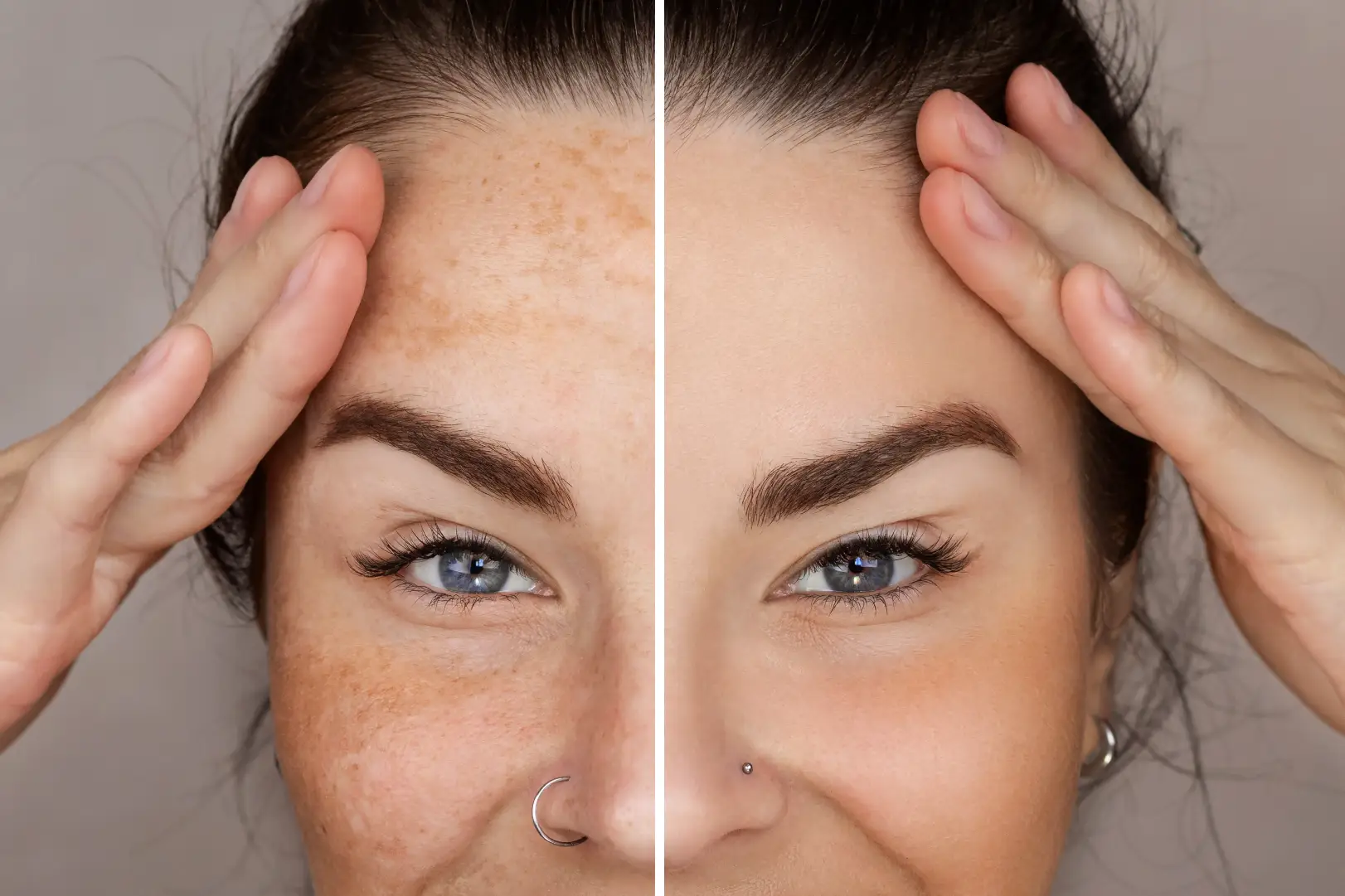
This is where photographs can be helpful. Melasma changes slowly, and daily mirror checks make subtle improvement difficult to recognize. Consistent photographs can provide a clearer picture of how pigmentation is responding over time.
Think of treatment as gradual correction rather than a race. Melasma often rewards patience more than intensity.
Keep Pigment on Your Terms
Melasma can be stubborn, particularly when sunshine and heat are part of everyday life, but stubborn does not mean untreatable. Carefully selected lasers can play a valuable role in improving unwanted pigmentation while also addressing concerns such as uneven tone and texture when treatment is appropriate.
At Square One Aesthetics & Wellness in Tallahassee, FL, patients can explore customized Ultra Laser treatments as part of a thoughtful approach to skin rejuvenation and pigmentation. With professional guidance, consistent sun protection, and realistic expectations, managing melasma in Tallahassee can become less about chasing every new patch and more about building a strategy your skin can live with.
Contact us today to book your consultation!