
PDO threads have earned a well-deserved reputation as one of the most versatile non-surgical rejuvenation treatments available today. They lift sagging tissue, stimulate collagen, and redefine facial contours — all without surgery, general anesthesia, or weeks of downtime. But here’s what often gets lost in the conversation: PDO thread treatment is not a single, universal procedure. It’s a highly individualized approach, and the outcome you get depends almost entirely on how well the treatment is matched to your unique anatomy, concerns, and goals. Understanding that distinction is the first step to getting results that actually look and feel right for you.
What Are PDO Threads?
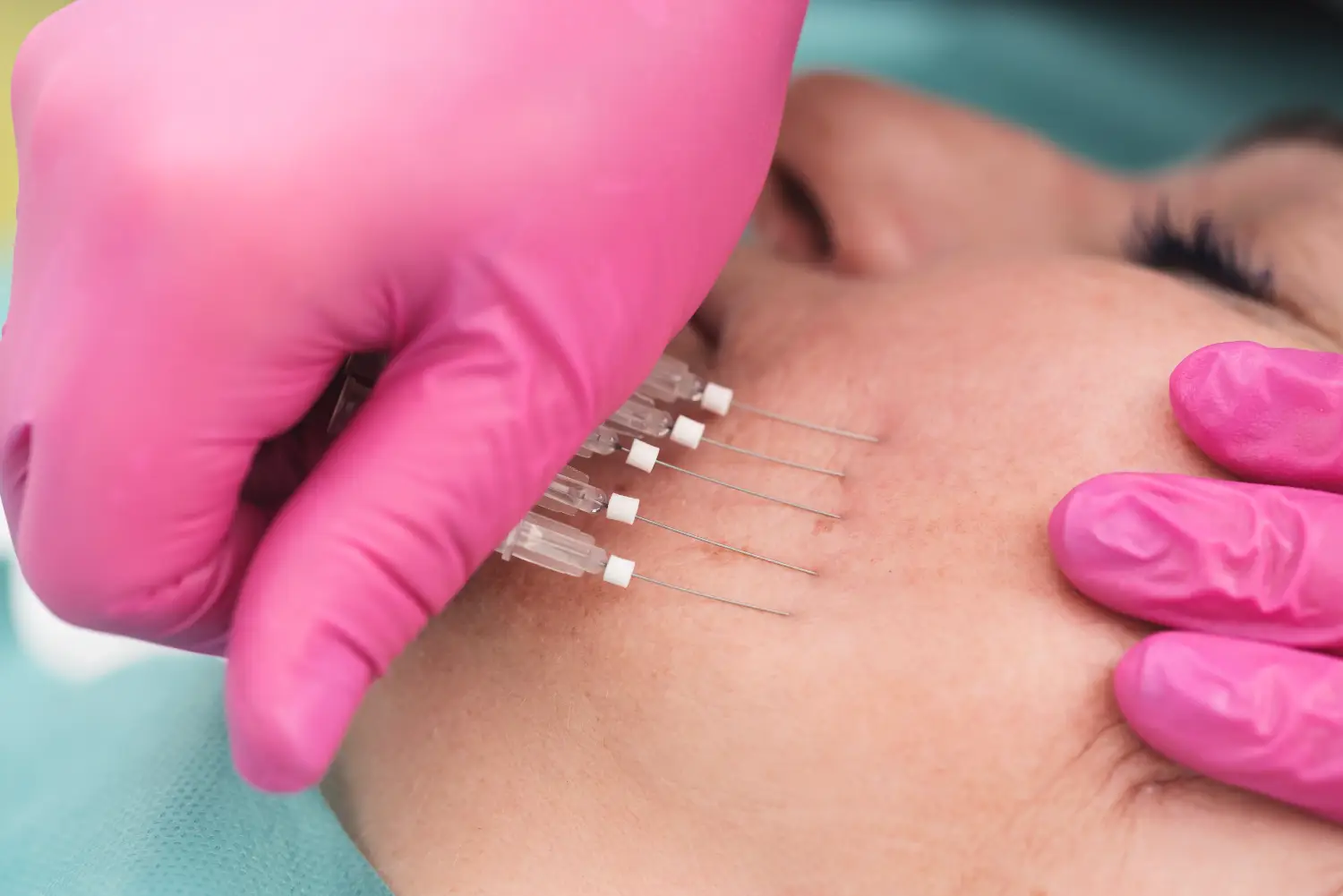
Polydioxanone threads — known by their abbreviation PDO — are thin, dissolvable sutures made from a biocompatible material that has been used safely in surgical settings for decades. When strategically placed beneath the skin by a trained provider, they serve two purposes: mechanical lifting and biological stimulation.
The mechanical lift is immediate. By inserting threads along specific vectors and anchoring them in place, the provider physically repositions tissue, restoring volume and definition to areas that have begun to descend with age. This lift is visible right away, though some initial swelling can temporarily affect the result before settling into its final appearance.
The biological effect is longer-lasting. As the body responds to the presence of the polydioxanone threads, it triggers a controlled healing response that stimulates the production of new collagen. Over the weeks and months that follow, this collagen buildup provides continued improvement in skin firmness, texture, and tone — even after the threads themselves have dissolved, typically around six months post-treatment.
The Different Types of PDO Threads
One of the most important — and most misunderstood — aspects of PDO thread lift treatment is that “PDO threads” is actually an umbrella term covering several distinct thread types, each designed for different purposes:
Mono Threads are smooth, single filaments with no barbs or cogs. They don’t provide a significant mechanical lift on their own, but they are exceptional collagen stimulating threads. Placed in a grid or cross-hatch pattern beneath the skin, they trigger diffuse collagen regeneration that improves skin quality, reduces fine lines, and enhances overall texture. Mono threads are ideal for areas like under the eyes, the neck, the décolletage, and hands.
Barbed (Cog) Threads are the threads most people picture when they think of a PDO thread lift. These threads have tiny hooks or barbs along the filament that grip tissue and allow it to be repositioned and held in a lifted position. Cog threads are used when the primary goal is repositioning sagging tissue — such as lifting jowls, redefining the jawline, or elevating descended cheeks.
Screw Threads are twisted around a needle and create a volumizing effect when inserted beneath the skin. They’re particularly useful for adding subtle volume and improving skin quality in areas that appear hollow or deflated.
Understanding which thread type — or combination of types — is appropriate for a given patient requires clinical training, a thorough understanding of facial anatomy, and experience reading how tissue behaves in different zones of the face.
Why Treatment Is Different for Every Patient
Here is the part that matters most: thread lift treatment is not a procedure that can be templated. What works beautifully on one patient can be entirely wrong for another, and the difference comes down to several key variables.
Facial Anatomy
The structure beneath the skin — including bone density, fat pad distribution, muscle activity, and the degree of tissue laxity — varies significantly from person to person. A patient with a strong bony foundation and early-stage tissue descent will respond to threads very differently than a patient with more advanced laxity or less structural support. An experienced provider assesses these factors before recommending a thread approach.
Degree of Skin Laxity
Non-surgical thread lift treatment delivers its best results in patients with mild to moderate skin laxity. In cases of more significant sagging, threads can still provide meaningful improvement — but the approach, the number of threads used, and the combination with other treatments may need to be adjusted. For very advanced laxity, a provider may recommend combining threads with dermal fillers, biostimulators, or energy-based devices to achieve a comprehensive result.
Treatment Area
The face is not a single canvas — different zones require different strategies. Consider how differently the following areas behave and what they require:
- Jawline and jowls: Barbed threads are used to redefine the jaw and lift displaced tissue along the mandibular border
- Midface and cheeks: Cog threads can restore the lifted, youthful contour of fallen cheek fat pads
- Brow: Carefully placed threads can open the eye area by gently lifting a descended brow
- Neck: Mono or smooth threads are often preferred here for improving skin quality and mild horizontal banding
- Under-eye area: This delicate zone typically calls for fine mono threads for collagen stimulation rather than any mechanical lifting
- Nasolabial folds: Threads can soften these folds indirectly by repositioning cheek tissue above them
Provider Skill and Placement
Even with the right thread type and the right patient, the outcome still depends on the provider’s technique. Thread placement angles, depth, entry points, and tension are all variables that require precise execution. Inconsistent tension, improper depth, or incorrect vector selection can lead to asymmetry, irregular surface texture, or premature thread migration. This is why choosing a qualified, experienced injector for PDO thread lift treatment isn’t just a preference — it’s fundamental to a safe and satisfying result.
Realistic Expectations and Longevity
A well-executed non-surgical thread lift produces results that can last anywhere from twelve to twenty-four months, depending on the thread type used, the patient’s age, skin quality, and how robustly they produce collagen in response to the treatment. Because the threads themselves dissolve naturally, maintenance treatments are typically recommended to sustain and build upon initial results.
It’s also worth setting realistic expectations from the start: PDO threads are not a surgical facelift, and they’re not intended to replicate one. They’re a precise, minimally invasive intervention that delivers meaningful improvement in the right candidates. When positioned that way — as part of a thoughtful aesthetic plan rather than a shortcut to surgical results — they perform exceptionally well.
Are You a Good Candidate?
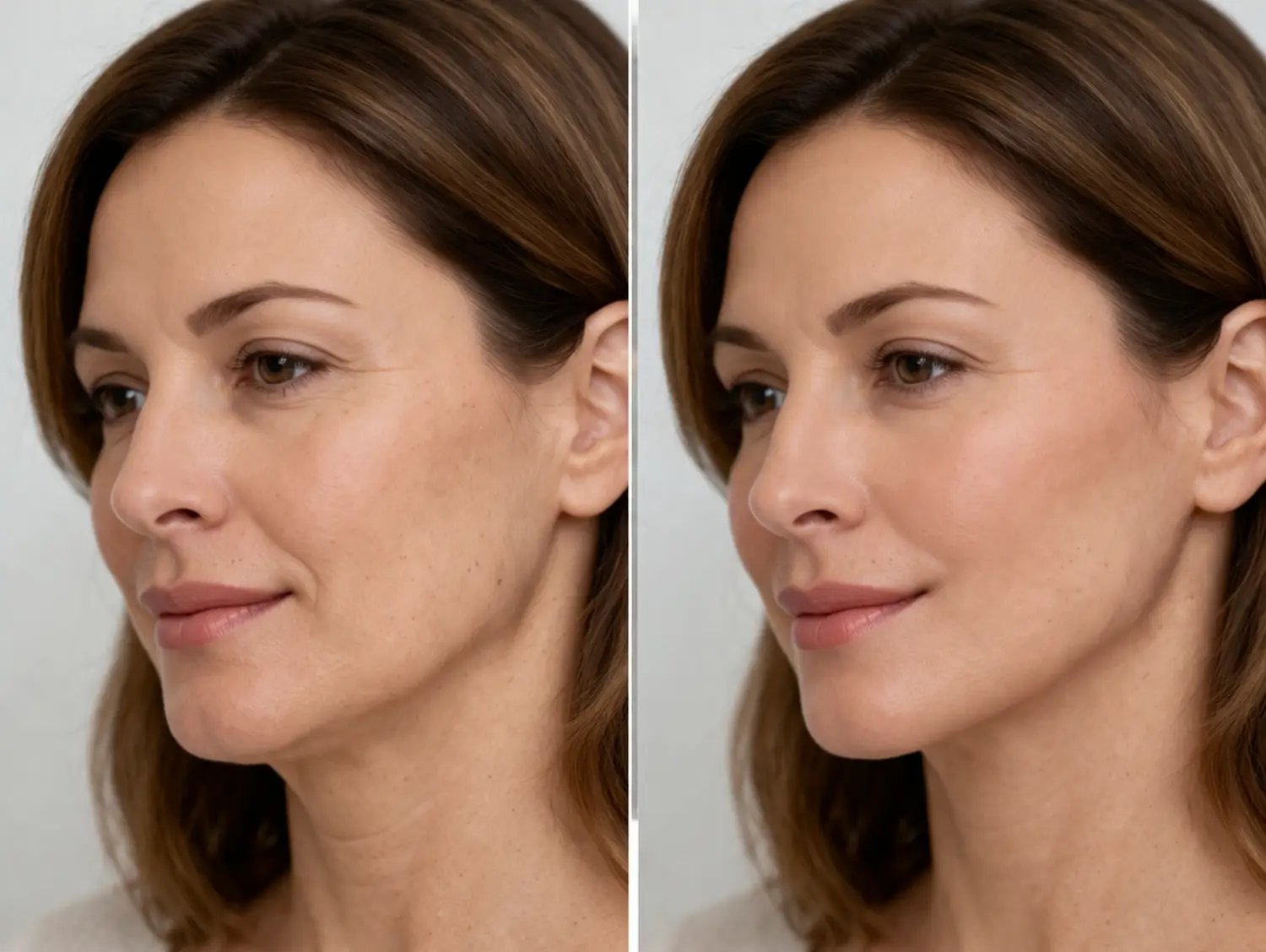
The ideal candidate for PDO thread lift treatment is someone who has noticed early to moderate changes in facial contour or skin firmness, wants a real and visible improvement without surgery or significant downtime, and has realistic expectations about the degree of change that non-surgical treatment can achieve.
If you’ve seen the before-and-after photos, wondered whether threads could work for you, or simply want a clearer picture of your options, a consultation is the best next step. What you’ll find is that the right PDO threads protocol isn’t the one that worked for someone else — it’s the one designed specifically for you. Book your consultation today at Square One Aesthetics & Wellness and find out exactly what that looks like.