
Faces tell stories. They reflect laughter, long days in the sun, brisk winter mornings, and even the quiet stress of busy seasons. Skin texture shifts, hydration levels fluctuate, and subtle changes in facial volume become more noticeable as the months pass. It’s natural and beautifully human for the face to evolve throughout the year.
Dermal fillers offer a thoughtful way to support those changes. Rather than dramatically altering your appearance, a well-planned facial filler treatment complements your natural features and adapts to your lifestyle. As temperatures rise and fall, many patients wonder how injectable fillers respond. Do they last the same? Do they shift? Do seasonal changes affect results?
Understanding how dermal fillers behave over time can help you feel confident about your investment in non-surgical facial rejuvenation. Let’s explore what truly happens beneath the surface, and why seasonality plays a subtle but meaningful role.
Seasonal Shifts
The face responds to the environment in more ways than we often realize. Each season brings distinct changes that influence skin quality, hydration, and even the perception of facial volume.
- Winter dryness. Cold air and indoor heating reduce moisture levels in the skin, making fine lines appear more prominent. Dehydration can temporarily make areas treated with filler injections look slightly less plump.
- Spring allergies. Seasonal allergies can cause puffiness, especially under the eyes. This swelling may change how certain areas, like tear trough filler, appear for short periods.
- Summer sun exposure. Increased UV exposure can break down collagen faster and contribute to skin laxity. While injectable fillers themselves are stable, the surrounding tissue may age more quickly without protection.
- Autumn transitions. As humidity drops and temperatures cool, skin may shift from summer oiliness to fall dryness. These transitions can subtly influence the overall look of facial volume restoration.
- Temperature-related circulation changes. Cold weather constricts blood vessels, while heat expands them. These circulation changes can affect swelling patterns and the way filler integrates with surrounding tissue in the short term.
Seasonal changes don’t undo your results, but they can influence how your face presents them. Thoughtfully placed dermal fillers help maintain harmony through these shifts, and we offer dermal fillers tailored to each patient’s unique needs and environment.
What Are Dermal Fillers?
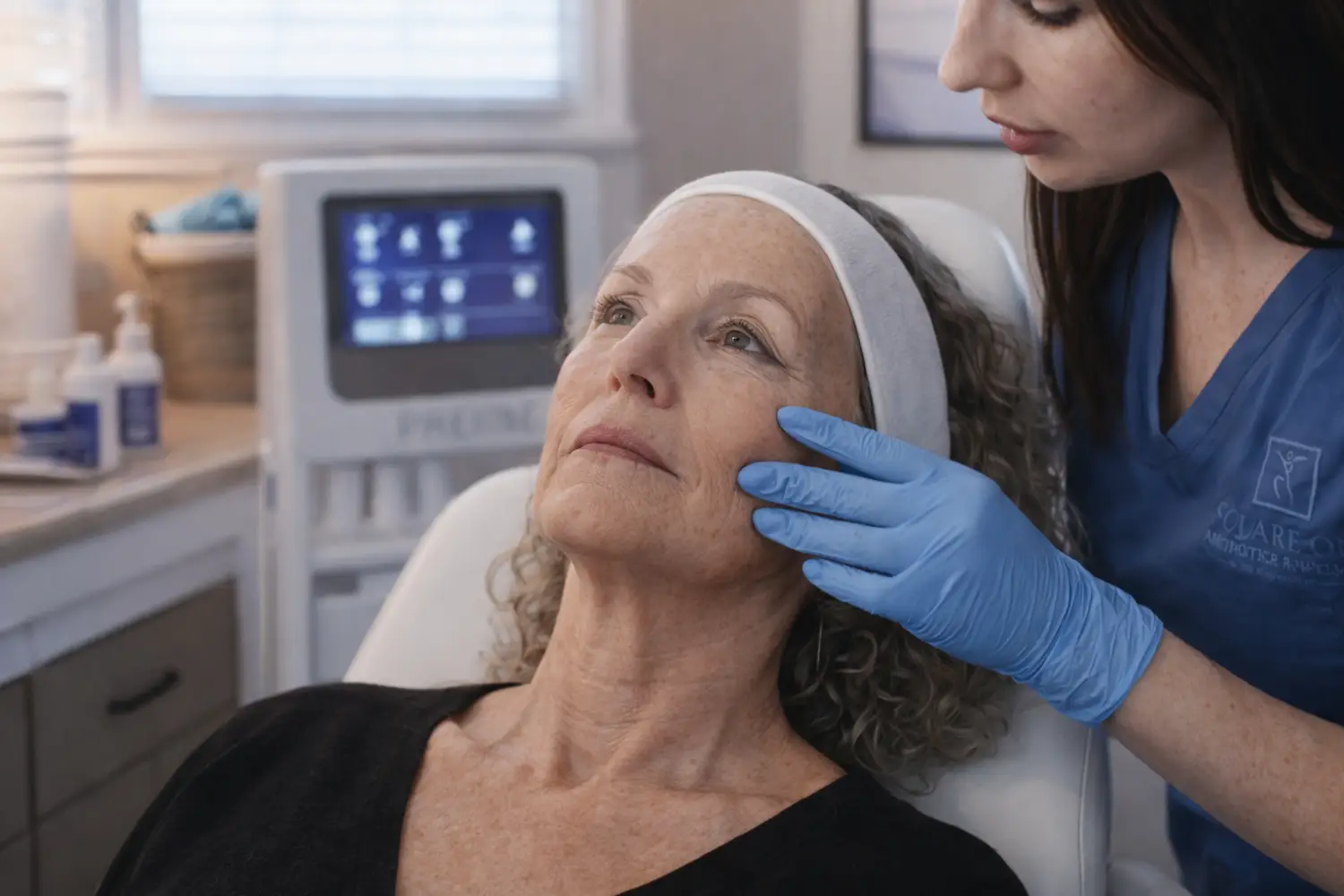
Dermal fillers are injectable gels designed to restore lost volume, soften lines, and enhance facial contours. Most modern injectable fillers are made from hyaluronic acid, a substance naturally found in the skin that attracts and binds water. This makes them ideal for facial volume restoration and subtle contouring.
A facial filler treatment can address areas such as the cheeks, lips, jawline, nasolabial folds, and under-eye hollows. Products vary in thickness and flexibility; some are ideal for delicate areas, while others are formulated for structural support, like cheek filler used to lift midface volume.
Unlike surgery, filler injections provide non-surgical facial rejuvenation with minimal downtime. Results are visible quickly and evolve naturally as the product integrates with your tissue. Over time, the body gradually metabolizes the filler.
When Seasons Meet Fillers
Now let’s explore what might happen to dermal fillers as your face moves through the rhythms of the year. While fillers are stable, your skin and underlying tissues are not static.
1. Hydration Levels Fluctuate
Hyaluronic acid-based injectable fillers attract water. During humid months, skin tends to hold more moisture, which can enhance the plump, supple look of a facial filler treatment. In drier winter air, skin may appear tighter or slightly less luminous.
This doesn’t mean filler disappears. It simply means surrounding tissues may look temporarily dehydrated. Drinking adequate water and using supportive skincare can help maintain that smooth, hydrated appearance.
2. Swelling Patterns May Change
Heat increases blood flow, which can contribute to mild swelling. In summer, areas treated with filler injections may look subtly fuller at times due to heat-related fluid retention. Cold weather, on the other hand, reduces circulation. This can make the face appear slightly more sculpted. Patients sometimes perceive this as their cheek filler looking more defined in cooler months.
3. Collagen Turnover Varies
Sun exposure accelerates collagen breakdown. Over a summer filled with outdoor activities, the natural support structure of the skin may weaken slightly if unprotected.
Because dermal fillers rely partly on surrounding collagen for structural harmony, changes in collagen can influence long-term appearance. Thoughtful sun protection supports both your skin and your non-surgical facial rejuvenation results.
4. Facial Volume Perception Shifts
Lighting and lifestyle change with the seasons. Bright summer light casts different shadows than softer winter light. These shifts can influence how facial contours are perceived. Patients may feel their facial volume restoration looks different in seasonal photos, not because the filler changed, but because light and facial expression patterns shift.
5. Activity Levels Impact Longevity
Increased physical activity during warmer months can slightly accelerate metabolism. While this doesn’t dramatically dissolve dermal fillers, very high activity levels may influence how quickly some patients metabolize hyaluronic acid.
That said, filler longevity varies more from individual biology than from season alone. Regular follow-up appointments help maintain balance.
6. Skin Thickness and Oil Production
Summer heat can increase oil production, giving skin a smoother, more reflective appearance. This can enhance the glow around treated areas. Winter dryness may highlight texture more. In these months, patients sometimes request small touch-ups to complement seasonal skin changes.
7. Allergy-Related Puffiness
Spring allergies can temporarily create swelling around the eyes. If you’ve had under-eye filler injections, this puffiness can make the area look fuller for short periods. This isn’t a complication. It’s a response to inflammation. Once allergy symptoms subside, the area typically returns to baseline.
8. Temperature Sensitivity Immediately After Treatment
If you receive a facial filler treatment during extreme heat or cold, your provider may recommend avoiding temperature extremes for a short time. Excessive heat immediately after filler injections could prolong swelling. Cold compresses are often used strategically to calm inflammation.
9. Gradual Metabolism Continues
Seasons change, but so does your body’s natural metabolic process. Dermal fillers are gradually broken down over months, regardless of weather. Seasonal shifts may influence perception, but true filler breakdown is steady and biologically driven. Maintenance timing should be guided by visible changes rather than the calendar alone.
Strategic Timing
Some patients prefer scheduling cheek filler or lip enhancement before major seasonal events—summer weddings, holiday gatherings, or spring celebrations. Planning ahead allows any mild swelling to settle and results in softening beautifully.
Others use seasonal transitions as check-in points. A fall appointment, for example, can refresh facial volume restoration after sun exposure months. Timing becomes less about urgency and more about rhythm.
Skincare and Seasonal Support
Filler longevity isn’t determined by the syringe alone. Lifestyle and skincare habits significantly influence how results age.
- Daily SPF supports collagen health.
- Medical-grade moisturizers protect against winter dryness.
- Antioxidants defend against environmental stressors.
- Professional treatments complement non-surgical facial rejuvenation.
When filler injections are paired with consistent skin support, seasonal fluctuations feel less dramatic.
Subtlety Over Seasons
The most elegant results evolve with you. Rather than chasing dramatic change every few months, refined dermal fillers are designed to blend seamlessly into your features. A well-placed cheek filler doesn’t look inflated in summer or hollow in winter.
It moves naturally with your facial expressions and integrates with tissue in a way that respects your anatomy. Patients who approach facial filler treatment with a long-term perspective often feel most satisfied. Maintenance becomes gentle refinement, not correction.
A Timeless Approach to Dermal Fillers
Dermal fillers are not static enhancements. They exist within a living, breathing system that responds to climate, lifestyle, and biology. When used with intention, they offer adaptable support through every season.
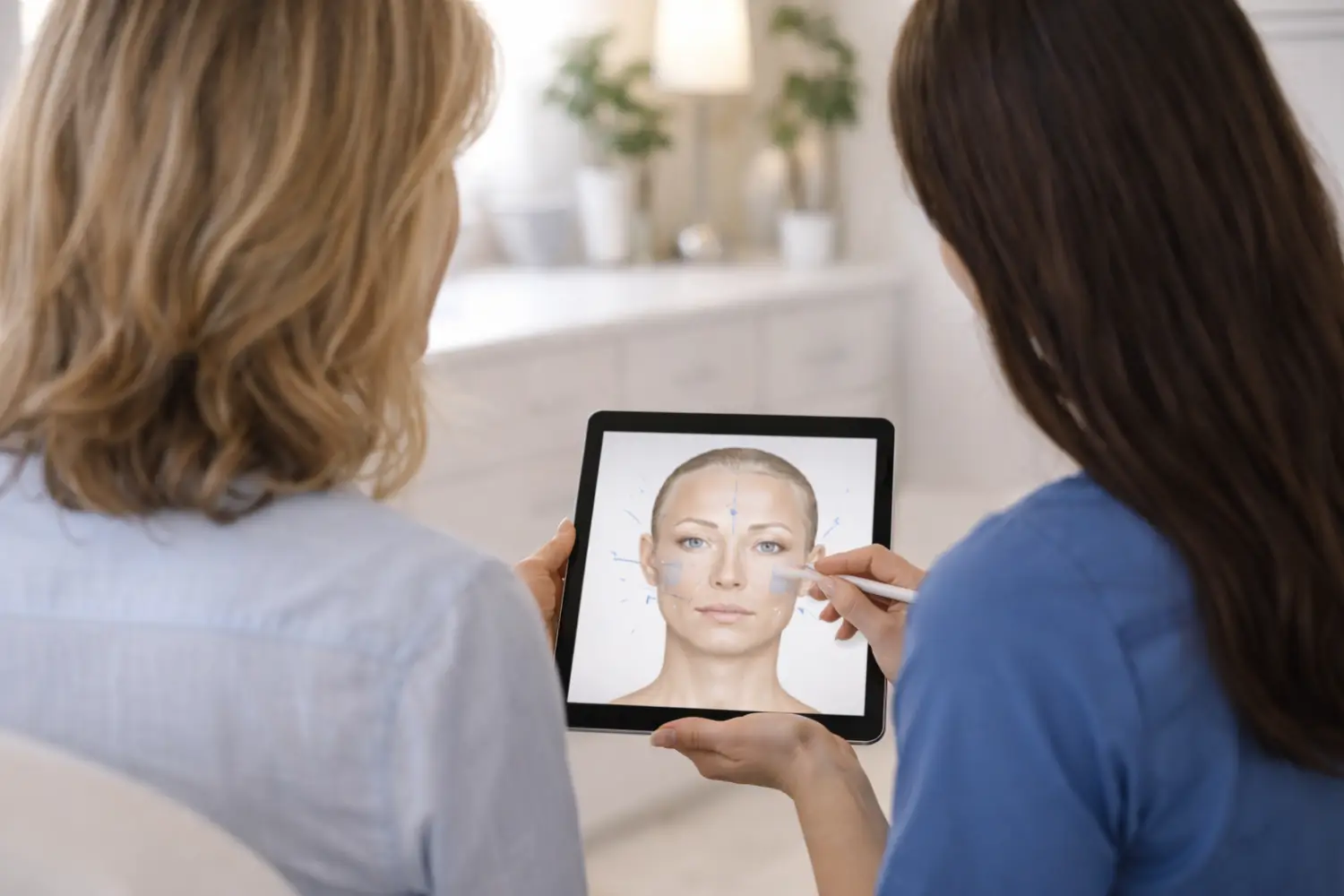
At Square One Aesthetics & Wellness in San Diego, CA, dermal fillers are approached with artistry and precision. Each plan honors your facial anatomy, seasonal lifestyle, and long-term goals.
When you’re ready to explore facial volume restoration in a way that feels balanced and refined, a personalized consultation can help you discover what’s possible. Call us today!